Alabaster
7th-4th c. BC
Empúries (L’Escala – Alt Empordà)
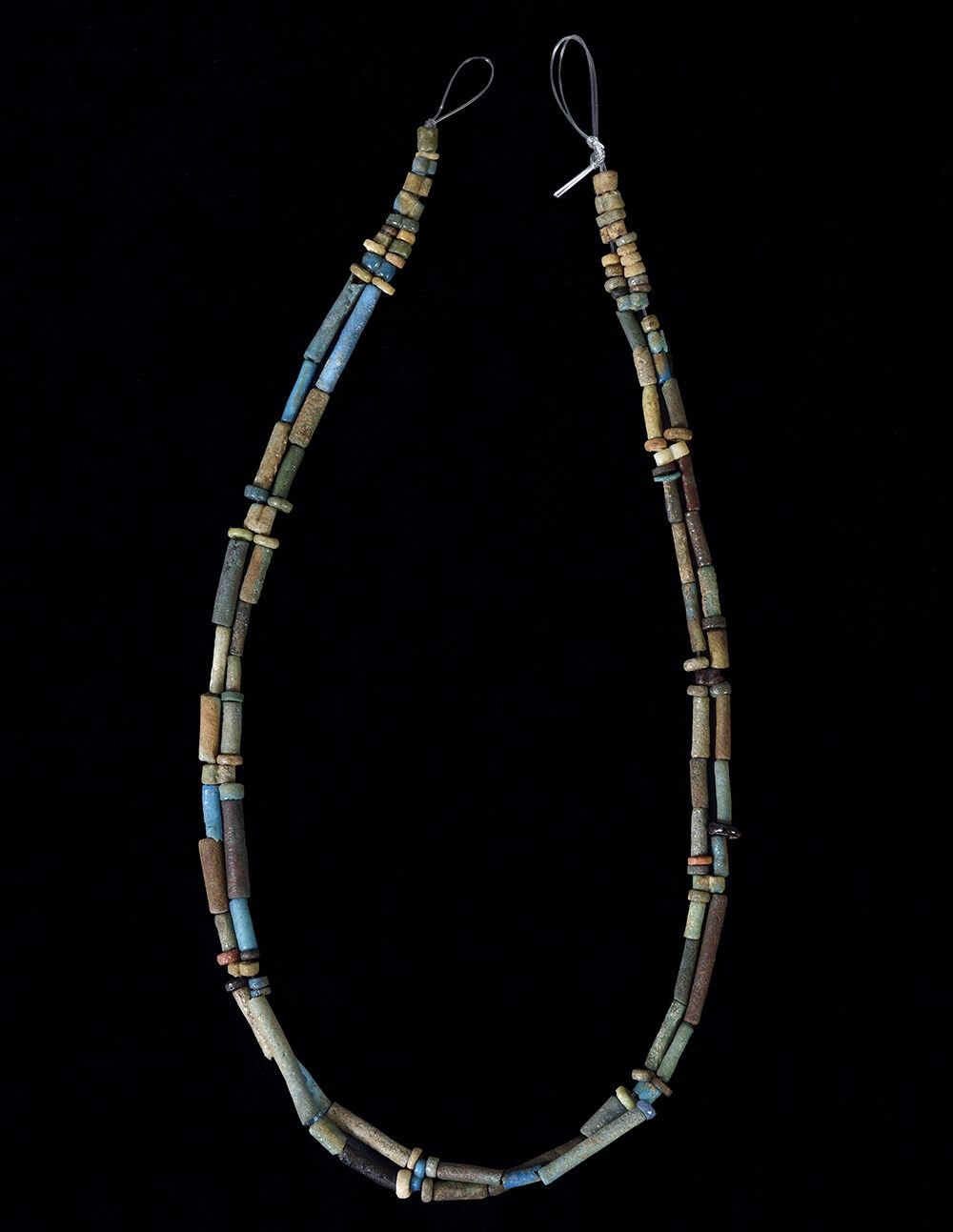
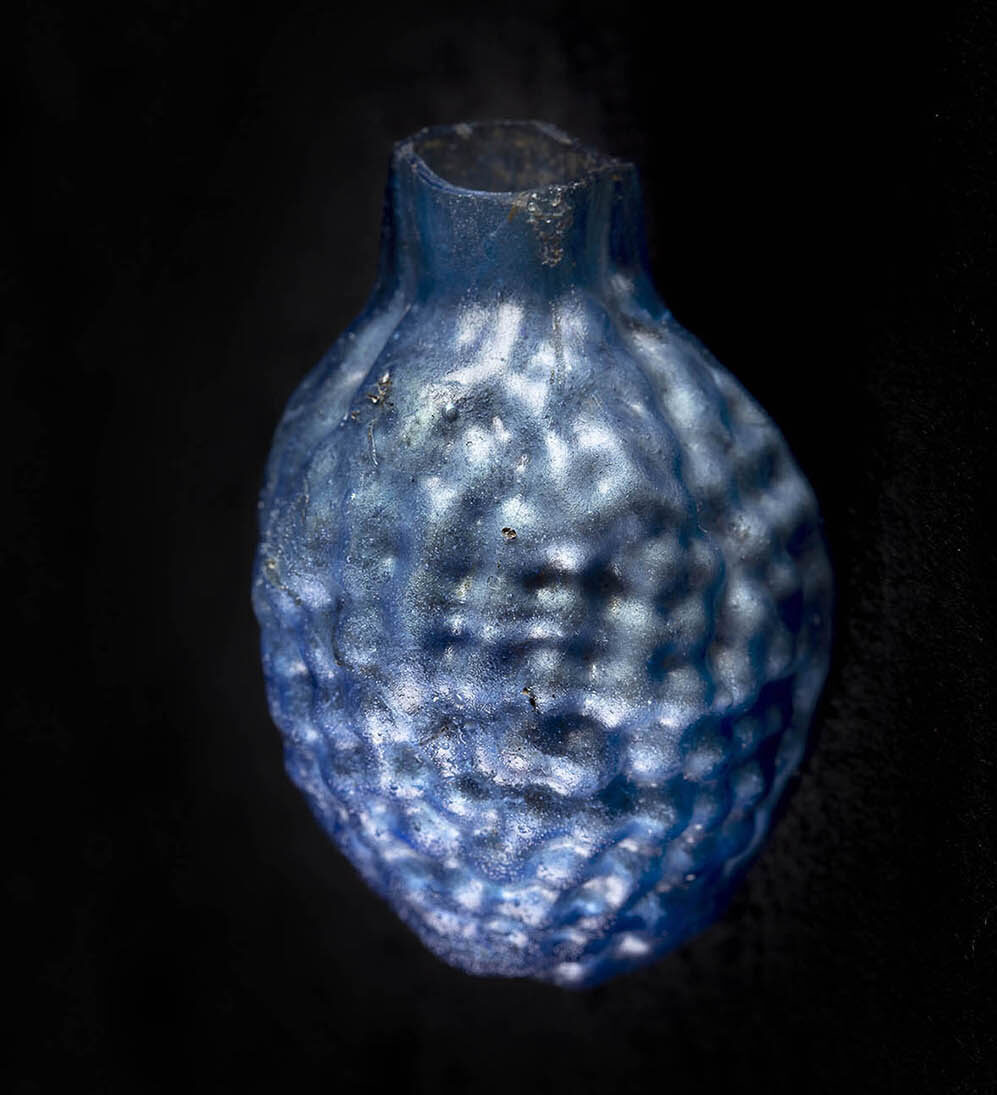
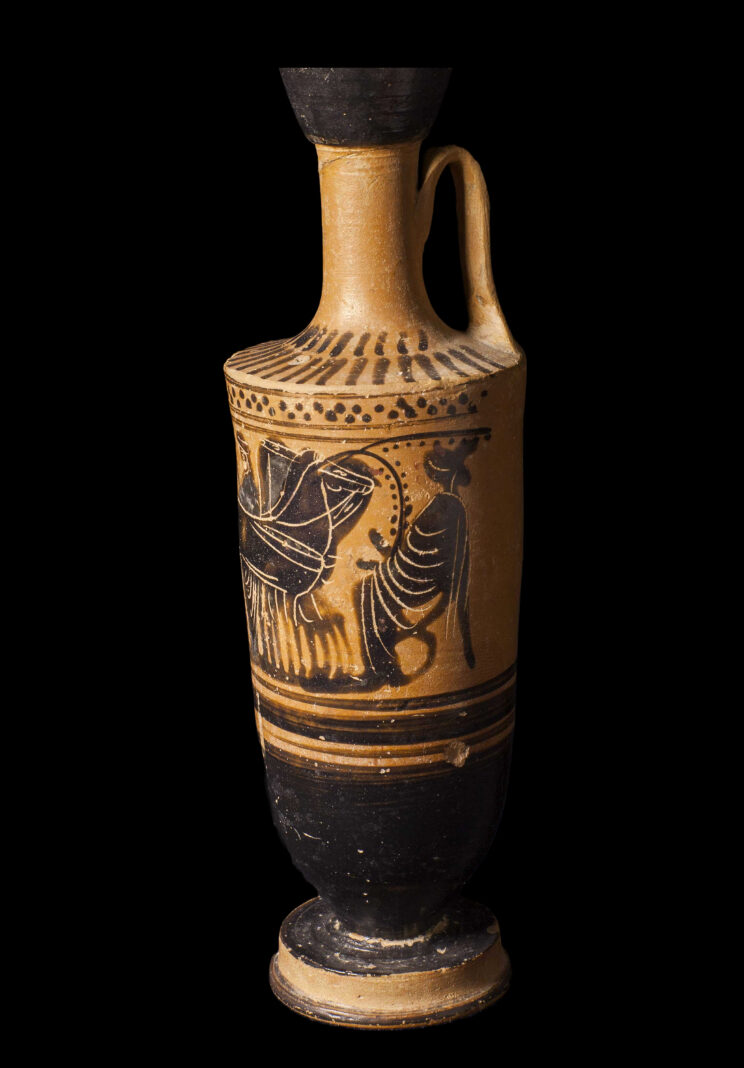
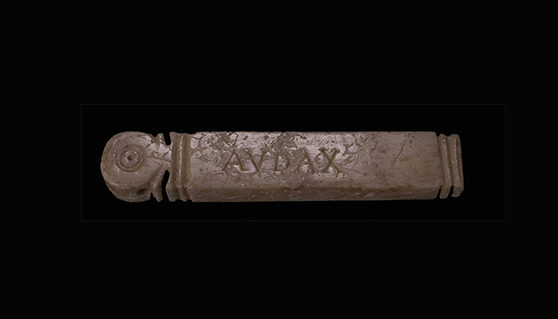
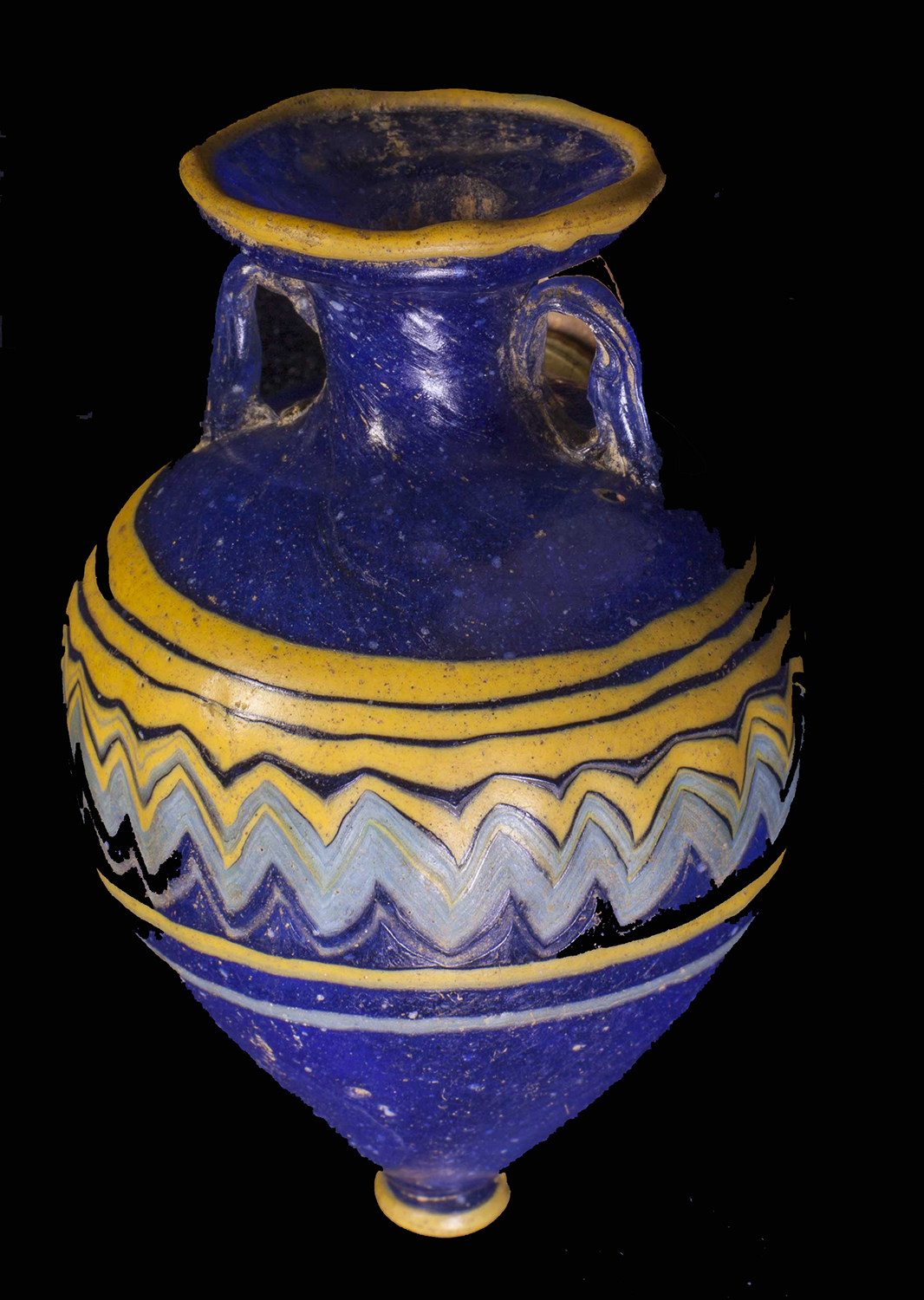
Some of the most abundant offerings in the Greek tombs of Empúries, both cremation and burial, are the receptacles for ointments and perfumed oils. There are many types (alabasters, lekythoi, aryballoi, amphorae, unguentaria, etc.). They are made of diverse materials (faience, ceramics, glass moulded on a core, stone, etc.) and locally manufactured or imported. They were offerings to the deceased, part of the funerary ritual and also a distinctive sign of the class or social position of the deceased person and their family. Despite the great beauty of many of these containers, we should not forget that what really mattered was their content. It is possible that they had already been filled when they arrived by the trade routes from Egypt, Athens, Corinth, etc.
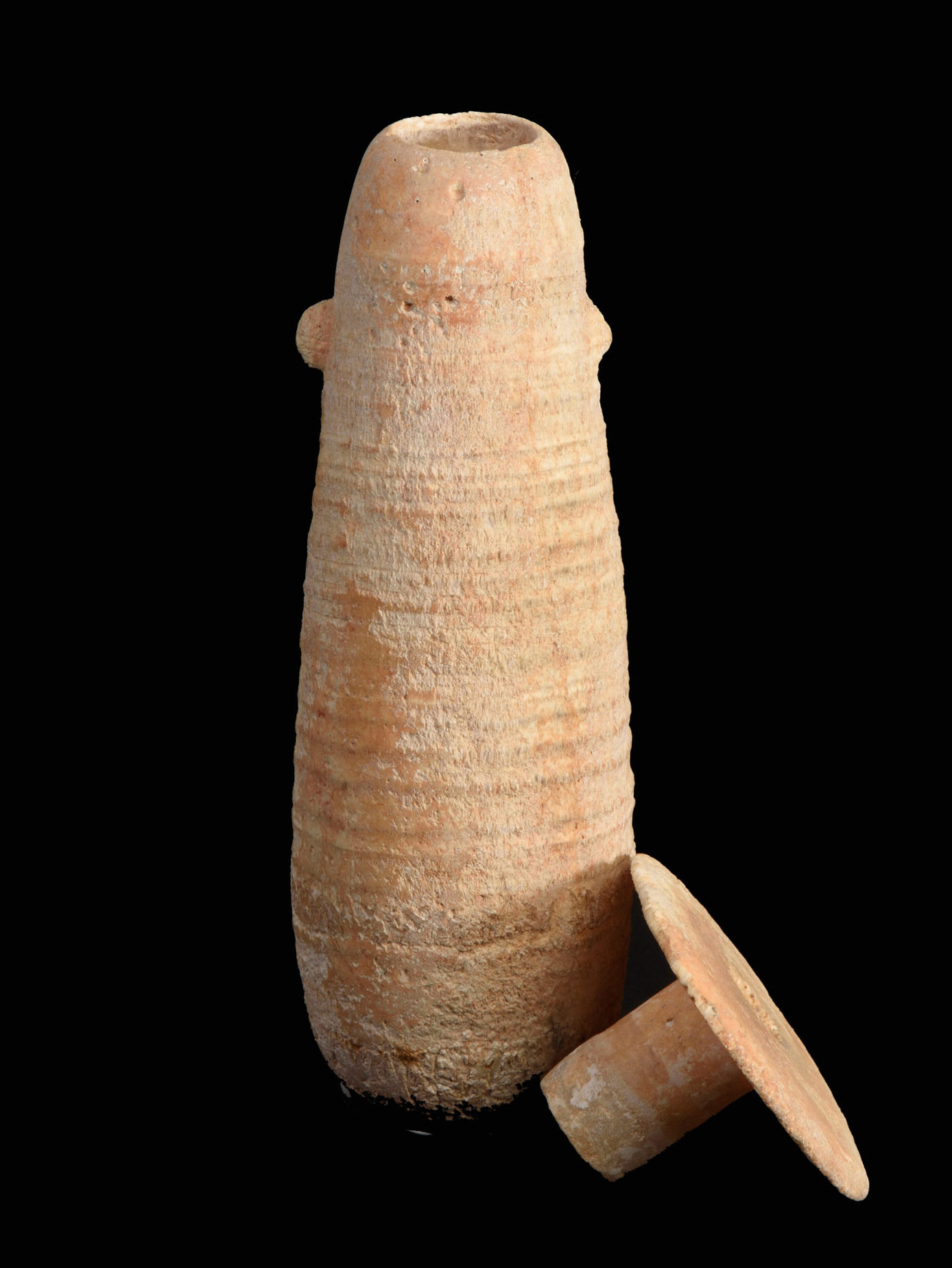
Today we present an alabaster from the eastern Mediterranean, probably Egypt, with a very broad chronology between the 7th and 4th centuries BC. It is one of the most common shapes of this type of vessel: elongated with a pear-shaped body, a pair of small nipples and a flat lip. In this case, it consists of two pieces, the body and the lip, in the shape of a stopper, that fit perfectly together. The term alabaster refers both to the type of vessel and what it was made of. There can also be alabasters made of glass, pottery, etc.
In the Emporia collections of our museum we have 14 alabasters like this, of oriental origin, varied typology and made of alabaster or a similar type of stone.
The stone vessels of Egyptian or Oriental origin were widely distributed and were imitated in moulded glass and cheaper pottery. We think of the Corinthian or Athenian alabasters with black figures and a rich and varied decoration. However, some were much more modest, made of light massalite paste and undecorated, like those found in the Sainte-Barbre necropolis in Marseille.